How Aluminum Casting Enables Rapid Prototyping With Advanced Geometries
Wiki Article
How Aluminum Foundry Engineering Assists Lower Production Prices for Suppliers
Aluminum foundry engineering plays an important role in minimizing production costs for manufacturers. Metal Casting. By employing sophisticated casting techniques, maximizing product use, and integrating automation, firms can boost performance and minimize waste. On top of that, energy-efficient practices and high quality control steps add to keeping high standards while lowering expenditures. Recognizing these methods discloses just how suppliers can adjust to market demands and enhance their bottom line. What particular technologies are driving these modifications?Advanced Casting Techniques
Advanced spreading strategies have actually transformed the aluminum foundry industry, making it possible for manufacturers to produce even more complicated and precise elements. Methods such as die casting, investment spreading, and sand casting have actually advanced significantly, permitting for improved dimensional precision and surface area finish. These sophisticated techniques promote the manufacturing of intricate shapes that were as soon as difficult or difficult to accomplish, minimizing the demand for comprehensive machining and assembly processes.Boosted cooling and heating approaches further enhance manufacturing efficiency, minimizing cycle energy and times consumption. Automation and computer-aided style (CAD) integration simplify the spreading process, ensuring uniformity and quality in every batch. In addition, these cutting-edge methods contribute to minimized waste by making best use of material usage, thereby driving down total production prices. As suppliers embrace these innovative casting techniques, they place themselves to fulfill the increasing needs for high-performance aluminum parts across numerous markets, eventually enhancing their competitiveness in the industry.
Product Optimization Strategies
While makers continually seek ways to boost effectiveness, product optimization techniques play a necessary duty in the aluminum foundry industry. These methods concentrate on maximizing source use, lessening waste, and guaranteeing item quality. By analyzing the structure and homes of aluminum alloys, factories can recognize one of the most appropriate products for details applications, consequently lowering excess consumption.Additionally, executing exact measurement methods permits accurate estimations of product requirements, causing less scrap throughout production. Simulation tools and software enable engineers to predict the behavior of aluminum throughout the casting process, maximizing layout and decreasing issues.
Additionally, recycling scrap aluminum within the foundry not only reduces prices however additionally promotes sustainability. This circular technique to product use enhances general production efficiency, inevitably adding to reduced functional costs and a more environmentally friendly production process. Through these methods, suppliers can accomplish significant cost reductions while maintaining high requirements of top quality and performance.
Automation and Machinery Innovations
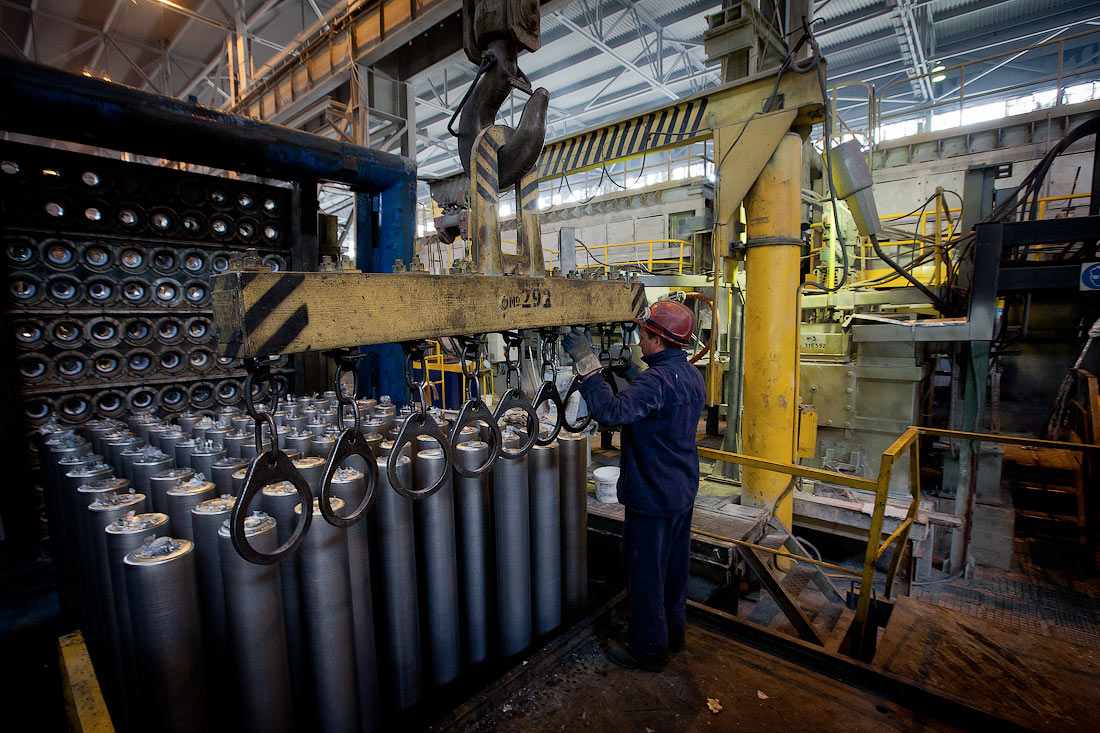
Development in automation and equipment has actually ended up being a pivotal variable in the aluminum foundry sector, complementing the product optimization strategies formerly reviewed. Advanced technologies, such as robotic arms and automated molding systems, have actually significantly boosted production performance. These innovations allow shops to improve procedures, lower manual work, and lessen human mistake, resulting in improved item uniformity and quality.
Additionally, the assimilation of smart sensors and data analytics right into equipment enables real-time monitoring and predictive upkeep. This positive method not only prolongs the lifespan of equipment but likewise minimizes downtime, inevitably decreasing functional prices. Making use of automated spreading processes further accelerates production cycles, enabling producers to meet enhancing demand without compromising high quality.
With these improvements, aluminum factories can accomplish higher efficiency levels while maintaining affordable rates, therefore sustaining makers in their mission for economical production services.
Energy Performance in Aluminum Foundries

Additionally, insulation enhancements and making use of energy-efficient lighting additionally improve total plant performance. By implementing real-time surveillance systems, foundries can identify inefficiencies and adjust procedures accordingly. In addition, training workers on power conservation techniques fosters a society of sustainability.
Regulative motivations and rising energy costs likewise motivate shops to spend in energy-efficient solutions. As these measures are embraced, the aluminum foundry market not just decreases its carbon impact yet also improves profitability, positioning itself favorably in an open market. Such developments are necessary for straightening functional exercise with modern-day environmental requirements.
Quality Control and Process Renovation
Quality control and process renovation are extremely important in the aluminum foundry market, straight affecting item integrity and functional effectiveness. Carrying out extensive quality assurance steps ensures that each stage of production follows developed requirements, thus reducing defects and boosting the total high quality of castings. Aluminum Foundry. Techniques such as analytical process control (copyright) allow shops to check production processes in actual time, determining variations and making it possible for prompt corrective activitiesFurthermore, continuous procedure enhancement approaches, such as Lean and 6 Sigma, promote a culture of performance among foundry groups. These methods help remove waste and improve procedures, eventually adding to decreased manufacturing expenses. Normal training and advancement of personnel additionally bolster quality control initiatives, guaranteeing that employees are geared up with the most up to date methods and modern technologies. By prioritizing quality assurance and process enhancement, aluminum foundries can not just enhance product honesty but likewise achieve considerable price savings, making them a lot more affordable on the market.
Study of Expense Decrease Successes
While many aluminum factories encounter rising production expenses, numerous have effectively carried out strategic initiatives that significantly lowered expenses. One noteworthy situation entailed a shop that adopted sophisticated automation innovations, causing a 30% decrease in labor costs. By using robotic systems for casting and machining, the center decreased human mistake and increased production effectiveness.One more foundry concentrated on maximizing its supply chain by negotiating better contracts with basic material vendors. This effort caused a substantial decrease in product prices, attaining a 15% decrease on the whole. Additionally, a 3rd instance highlighted a shop that overhauled its recycling procedures, recovering aluminum scrap a lot more successfully, which not just reduced material expenses but also added to sustainability initiatives.
These study exemplify how targeted engineering techniques can lead to significant price decreases, allowing aluminum foundries to remain affordable while enhancing their profits.
Frequently Asked Inquiries
What Are the Key Advantages of Aluminum Over Other Steels?
Exactly How Does Aluminum Recycling Impact Manufacturing Costs?
Aluminum reusing considerably reduces production expenses by reducing basic material expenses, lessening energy usage, and decreasing exhausts. find more info This process improves sustainability while making aluminum more economically viable compared to key metal production approaches.What Industries Benefit A Lot Of From Aluminum Foundry Engineering?
Automotive, aerospace, and customer my latest blog post electronics sectors benefit most from aluminum foundry engineering. These markets utilize aluminum's lightweight residential properties and recyclability, boosting item performance while lowering weight, ultimately resulting in boosted performance and cost-effectiveness in manufacturing processes.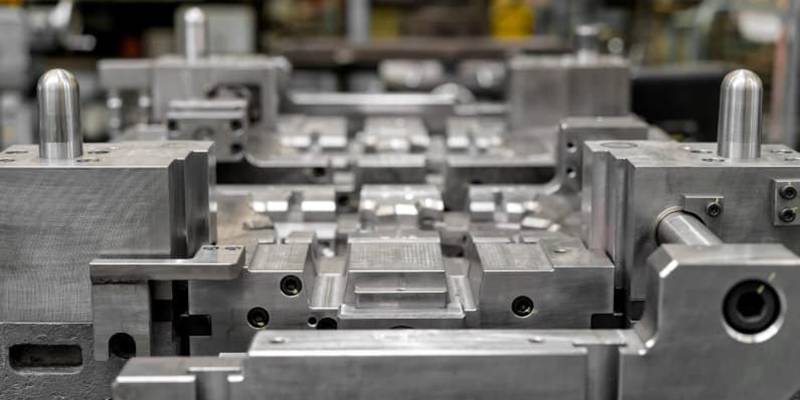
What Are Typical Difficulties Encountered by Aluminum Foundries?
Usual challenges faced by aluminum factories consist of handling manufacturing performance, ensuring quality assurance, reducing waste, attending to devices upkeep, steering rising and fall basic material rates, and adjusting to technical innovations while meeting customer needs and governing needs.Just How Can Smaller Sized Suppliers Implement Foundry Engineering Solutions?
Smaller sized suppliers can apply foundry engineering remedies by spending in modern-day tools, embracing lean manufacturing concepts, training staff on best methods, collaborating with knowledgeable engineers, and using simulation software to maximize manufacturing procedures efficiently.Aluminum foundry engineering plays a vital function in reducing production prices for makers. Furthermore, recycling scrap aluminum within the foundry not just decreases expenses but additionally advertises sustainability. As the aluminum foundry market faces raising stress to decrease prices and ecological impact, power effectiveness has arised as an important focus location. Quality control and process improvement are extremely important in the aluminum foundry market, directly affecting product integrity and operational performance. While numerous aluminum foundries deal with increasing production expenses, several have actually successfully applied blog here tactical campaigns that significantly reduced costs.
Report this wiki page